
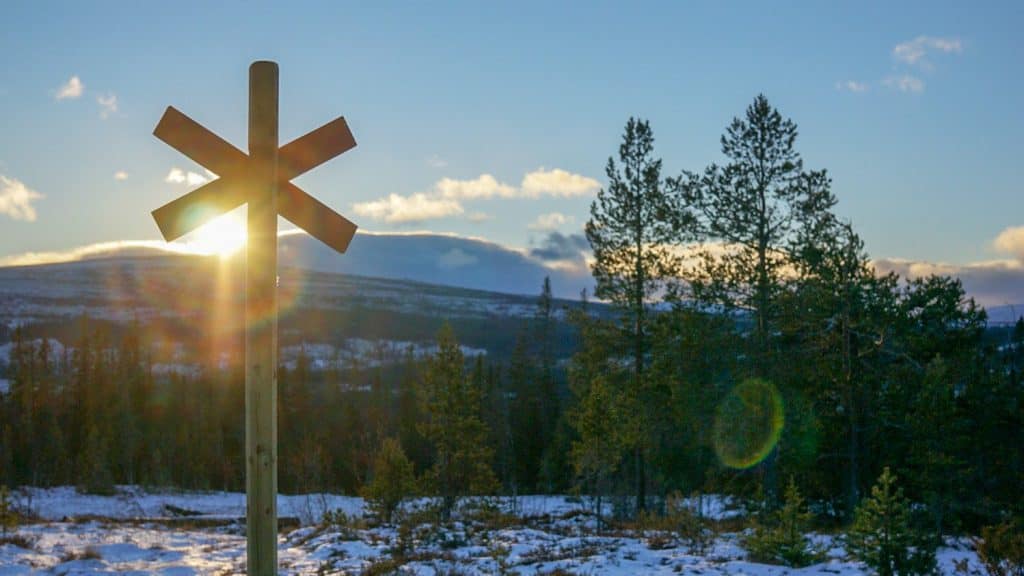
Winter is approaching, and the mountains have been white for a while. For me, the longing for snow on the ground and a mercury that has dropped far down the thermometer is always strong. Outdoor activities during winter are something else. Something more. It demands more, and even though nature can be ruthless with its changing weather in the mountains during the summer, it places even higher demands when cold and snow are involved.
Two winters ago, we had more snow than in 30 years. Absolutely incredible! But even though the snow depth was greater, there were also differences in how all this snow was. Because it was bottomless. Ever since I was little, a swing of thaw after the first decimeters of snow has been welcomed as it creates a base. Snowmobiling is facilitated while also providing greater opportunities to simply walk in the snow. This was not the case last year. Such a winter places, in addition to considering the temperature, even higher demands on the outdoor enthusiast. If you haven’t prepared enough, you can get into trouble. I intend to give you some tips along the way to make you feel safer spending more time outdoors during the winter and highlight some important aspects of outdoor safety.
I’ll jump right in and assume that trip planning, sharing the route with a relative, and other preparations have been made according to all the rules of the art, to now move on to my good advice along the way. That is, my three tips for winter activities.

1. Make Sure You Get Back Home
The first tip is about transportation to and from your winter activities. Regardless of how you travel, you should ensure that you have a backup plan. It’s easy for a binding to break or a snowmobile to malfunction. This can turn everything upside down, especially if you find yourself far out in the mountains.
Last year, it would have been nearly impossible to walk back on such occasions. During the Easter weekend, I was out fishing with a snowmobile. Since the water I was going to test is not always entirely safe, I parked the snowmobile at the shoreline to walk out a bit, drill the ice, and check the thickness before continuing to the intended fishing spot. I crawled forward, with the shovel in one hand and the ice drill in the other, using them to distribute the weight so that I didn’t sink too deep into the snow, which would have made the procedure even more difficult. Imagining that I would have to travel a couple of kilometers this way would have required a tremendous effort.
When Winter Activities Really Bad
Let’s say I had instead been ten kilometers out in the mountains and needed to get back on foot. It would have been impossible. In my case, if the snowmobile had broken down, it would have been crucial to have a pair of skis. It’s a simple life insurance policy when you’re out alone with a snowmobile. If something goes wrong, just put on the skis and follow the snowmobile track back home. No harm done.
The same applies, of course, if you are out with skis. Instead of carrying an extra pair, pack some spare parts for the binding, as that is the most critical part. With these simple measures, you have a good assurance that you can get back home easily and avoid spending an unplanned night outdoors.
Remember that knowledge can help you survive crucial situations like this. That’s we you should checkout the guide on hypothermia.

2. What Happens If the Storm Comes?
Number two is a wind sack if the situation goes south during your winter activities. It’s a pure and simple life insurance. Primarily, it serves as protection against the forces of weather. When a storm approaches, and you are in the middle of the barren mountain during winter, there is little or nothing to take shelter under. That’s when the wind sack comes out. If you are on a winter trail, you dig yourself in the middle of the trail with the wind sack for protection. Mountain rescue will then have an easy time finding you instead of you getting lost from the trail. A cheap life insurance that you can benefit from even if it’s not an emergency.
3. Be Prepared for an Extra Day
Number three is something I always have as a rule, winter or not, and that is to carry extra food. It doesn’t matter what season it is. The weather can change, someone can get injured, or something happens that requires you to stay out for an extra day. In such cases, it’s invaluable to have a bit more food with you. I promise that 99 times out of 100, you’ll have carried unnecessary weight, but that one time you need the extra food, you’ll be glad it’s in your backpack.
If it’s not about an extended period outdoors, it might not necessarily be crucial for your survival, but it can be just as important. Decision-making during a winter night when you’re forced to stop becomes even more challenging if you’re running out of food, so pack a little extra.
Follow These Tips & Enjoy Your Next Winter Activities
Three simple tips, and it’s no more difficult than having a well-thought-out plan for transportation, shelter, and food in advance. If you do that, you’ll have the cards in your favor if something happens while you’re out enjoying nature. Finally, I also want to remind you always to respect nature and the forces of weather. It can change quickly. Of course, it does so even in the summer, but as I mentioned initially, the weather is more unforgiving during the winter. The conditions are just a bit tougher, but if you keep my advice in mind and plan well, there’s nothing to worry about.
